The Ease Behind the Effort
When we think about strength, we usually picture effort — a muscle working hard, straining against something heavy. But here's the thing: no muscle ever works alone. Every movement you make, even the small ones, is a team effort. Some muscles pull, some gently give way, and others quietly hold a joint steady so the whole thing ends up where you want it. Lifting your coffee, reaching for a door, turning to talk to a friend — each one is a little piece of teamwork happening without you ever having to think about it.
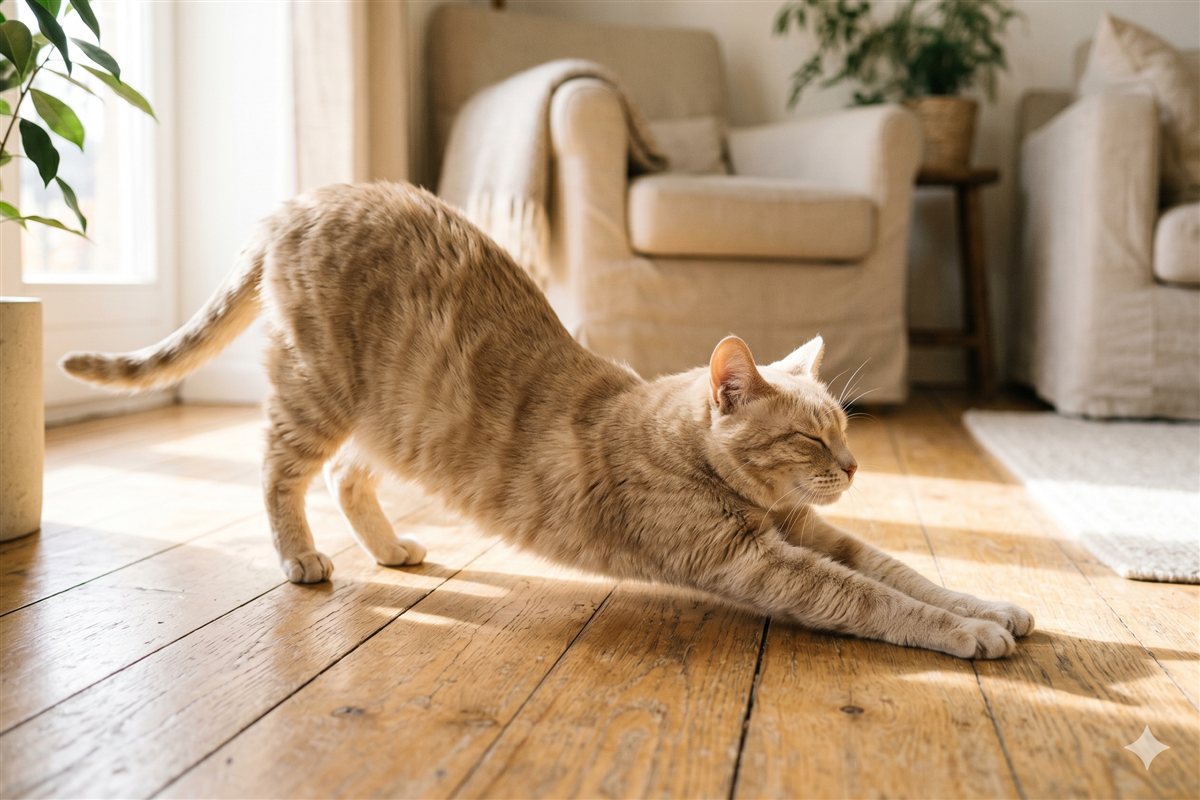
Here's a detail that surprises people: a muscle can really only do two things. It can contract, or it can relax. It pulls, but it can't push, and it can't lengthen itself on its own. So whenever one muscle shortens to bend a joint, the muscle on the other side has to let go and lengthen to make room. Your biceps can only lift your forearm if your triceps relaxes and allows it. That means the quality of a movement isn't only about how strongly the working muscle pulls — it's just as much about how easily its partner can release. A muscle that won't quite let go is like driving with the handbrake half on: you still get where you're going, but it costs you more, and it never feels quite smooth.
That two-muscle picture is a handy way to grasp the idea, but it's really a simplified version. In real life, many muscles join in on even the simplest movement — and that's exactly what gives us such a wonderful range of motion and such fine control. It's a beautiful system when it's relaxed and free to do its job.
Stress, though, throws a wrench into it. When we're under pressure — a deadline, a heavy bag, or just a hard day — the body tends to tense up and brace, switching on muscles that aren't actually helping. We clench the jaw, hunch the shoulders, grip with the hands. None of that extra tension gets us anywhere; it just muddies the signal, wastes energy, and makes our movements clumsier. The more wound up we are, the stiffer and less precise we become — we even heat up a little — and everything starts to feel like more work than it should. It's why top athletes and dancers train themselves to stay loose under pressure: they know that tension is the enemy of skill.
And here's the part that matters most — because you really don't have to be an athlete for any of this to apply to you. That same tension quietly builds up in all of us, day after day: from sitting at a desk, from carrying worry in our shoulders, from simply getting through a busy week. Left alone, it doesn't just melt away. It keeps stacking up, and little by little it makes everything you do feel heavier and less easy — your posture, your sleep, the way you reach and bend and walk.
The good news is that letting go is a skill, and it's one you can absolutely build. Gentle movement, stretching, and hands-on work like massage all teach your body what genuine release actually feels like — and gradually help it find that ease on its own. You don't need to be training for anything. The very same things that help an athlete move with more freedom and precision will help you move through an ordinary day with a lot more ease.
There's a bonus, too. Soft, relaxed muscle lets blood and nutrients flow through it freely, while tense muscle squeezes that flow down. So the better your muscles can release, the better they're nourished — and the quicker your body bounces back, whether from a workout or a long day on your feet.
So if there's one thing to take away, it's this: moving well — in sport, or simply in life — isn't only about working harder. A surprising amount of it comes down to learning to let go. And that's something every one of us can get better at.
Subscribe to our newsletter
Get gentle reflections, wellness insights, and breathing practices straight to your inbox.